




U.S. President Donald Trump is prepared to continue negotiations with Iran even after announcing that the ceasefire will no longer be observed. However, Washington has made it a condition that Tehran publicly declare it will not threaten shipping in the Strait of Hormuz. Politico reported this, citing U.S. officials.
According to the officials, the Islamic Republic must state publicly that it will refrain from blocking the strait, stop imposing transit fees, and end attacks on commercial vessels.
The Trump administration expects Iran to present this position during talks with Omani officials on July 11. "If they do not take that position, it will not be a very good day for them," another source said.
On July 10, Trump stated that the United States had agreed to resume negotiations with Iran but would no longer observe the ceasefire.
According to Iran's Ministry of Foreign Affairs, Foreign Minister Abbas Araghchi is traveling to Oman on July 11 for talks focused on the Strait of Hormuz.
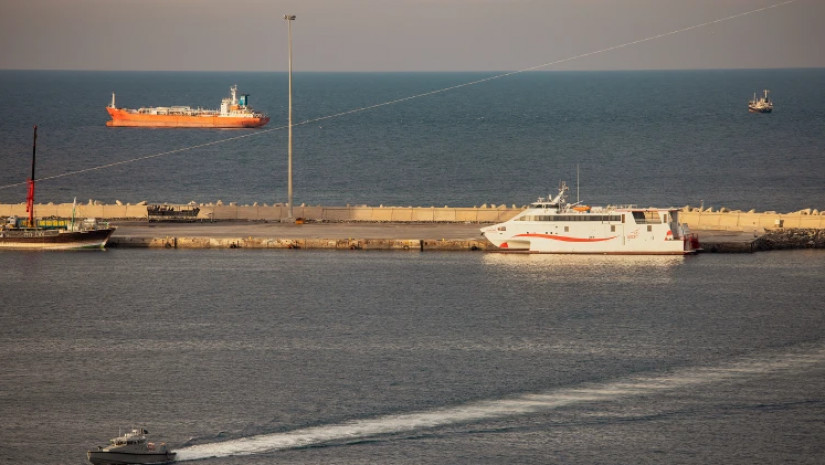
Following the recent escalation, shipping traffic through the strategic waterway has declined significantly, according to AFP. Vessel transit has fallen to its lowest level. Maritime monitoring company Windward reported that only six vessels passed through the strait during the previous 12 hours. By comparison, just a few days earlier, between 18 and 22 vessels crossed the strait each day.
At the same time, the number of so-called "dark transits"—when ships switch off their tracking transponders to conceal their location—has increased. Such voyages now account for nearly 40% of all traffic, the highest level recorded in the past six days.